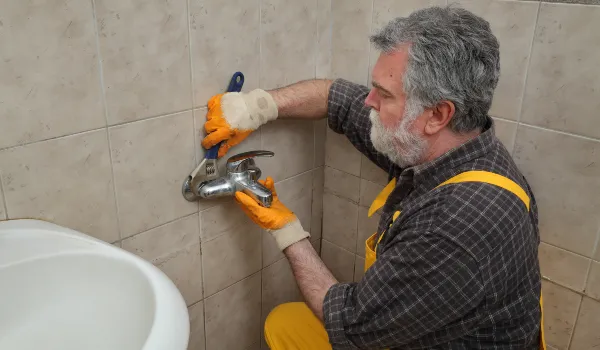
A warm spot on tile, damp patches along a wall, or a water bill that suddenly climbs can point to a pipe leaking beneath your concrete slab. You may also notice low pressure at the shower or hear water moving after every faucet is closed. Commercial Plumber Round Rock can help locate the source before moisture reaches flooring, baseboards, or the foundation soil.
A small damp area with no active water use should be checked soon, even if the house still has water. Do not wait if pressure drops sharply, discoloured water appears, hot water runs out unusually fast, or water is pooling near the slab edge. A ruptured supply line can wash away supporting soil and allow moisture to spread beneath cabinets and hardwood.
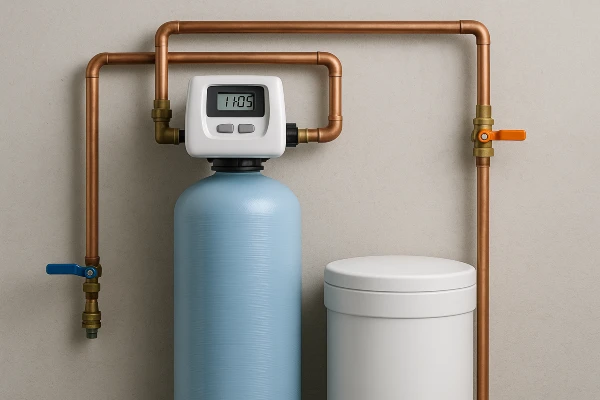
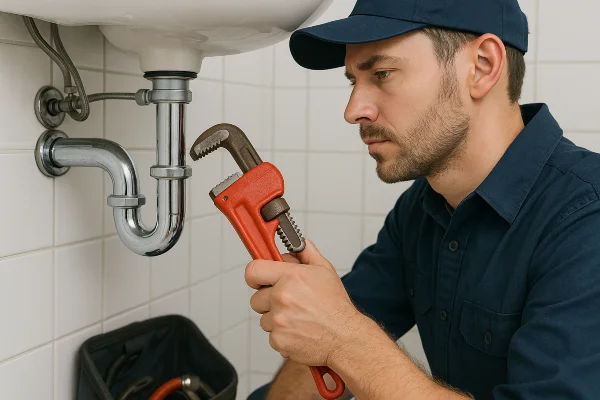
Slab Leak Detection starts with a conversation about the damp patch, water meter movement, and changes in pressure. The plumber then checks visible supply lines, shut-offs, valves, pressure regulators, and the water heater tank for clues that rule out an above-ground leak. Isolating the supply line helps narrow the problem to a hot-water or cold-water section before invasive work is considered.
After isolation, pressure testing can show how quickly a closed line loses water. A camera inspection through a cleanout may be used if slow drains suggest a separate drain-line issue, while electronic listening equipment can help trace water beneath the slab. Once the location is confirmed, the repair may involve opening a targeted access point, soldering copper pipe, replacing a damaged section, re-seating fixtures, and testing every valve before water is restored.
Slab Leak Detection in a 1970s house with copper pipe is different from work in a newer building with PEX supply lines. A leak beneath a hallway closet may allow straightforward access, while one below a kitchen island can involve cabinets, tile, and electrical lines. The age of the slab, pipe material, and previous repairs all affect whether a focused repair makes practical sense.
What appears to be one pinhole in copper can reveal thin pipe walls or multiple weak fittings once the line is exposed. A small spot repair may buy roughly two years if corrosion is widespread, while rerouting a supply line with new material can avoid repeated slab openings and may serve the home for fifteen years or more. Winter freezes, summer soil movement, and saturated ground can also affect access, drying time, and the repair approach.
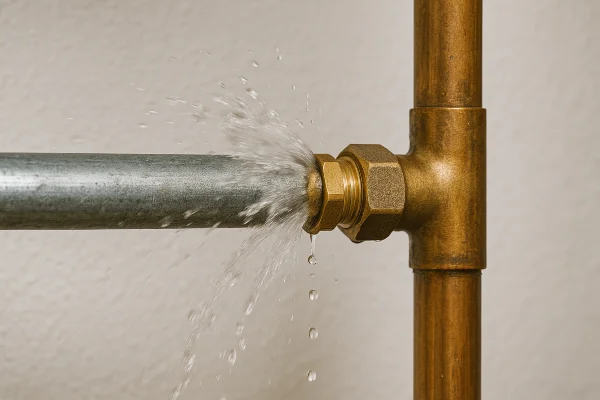
Ask how the contractor will confirm the leak before breaking concrete, and whether the estimate separates detection, access, pipe repair, and restoration work. A useful written estimate identifies the affected supply line, proposed material such as copper or PEX, pressure-test steps, and any limits on flooring or drywall repair. In Round Rock, TX, also ask how the water shut-off will be managed while the line is open.
A good contractor should explain the evidence behind a spot repair, reroute, or replacement before asking for approval. Ask what the pressure gauge showed, where the listening equipment located the leak, and what happens if another weak section is found. You should understand which valves will be closed, how long fixtures may be unavailable, and how the work area will be protected from concrete dust and standing water.
COMMERCIAL PLUMBER ROUND ROCK
2631 Gattis School Rd, Round Rock, TX 78664
(512) 522-6789
help@commercialplumberroundrock.com
Hours of Operation
Open 24 Hours